Insurance compensation
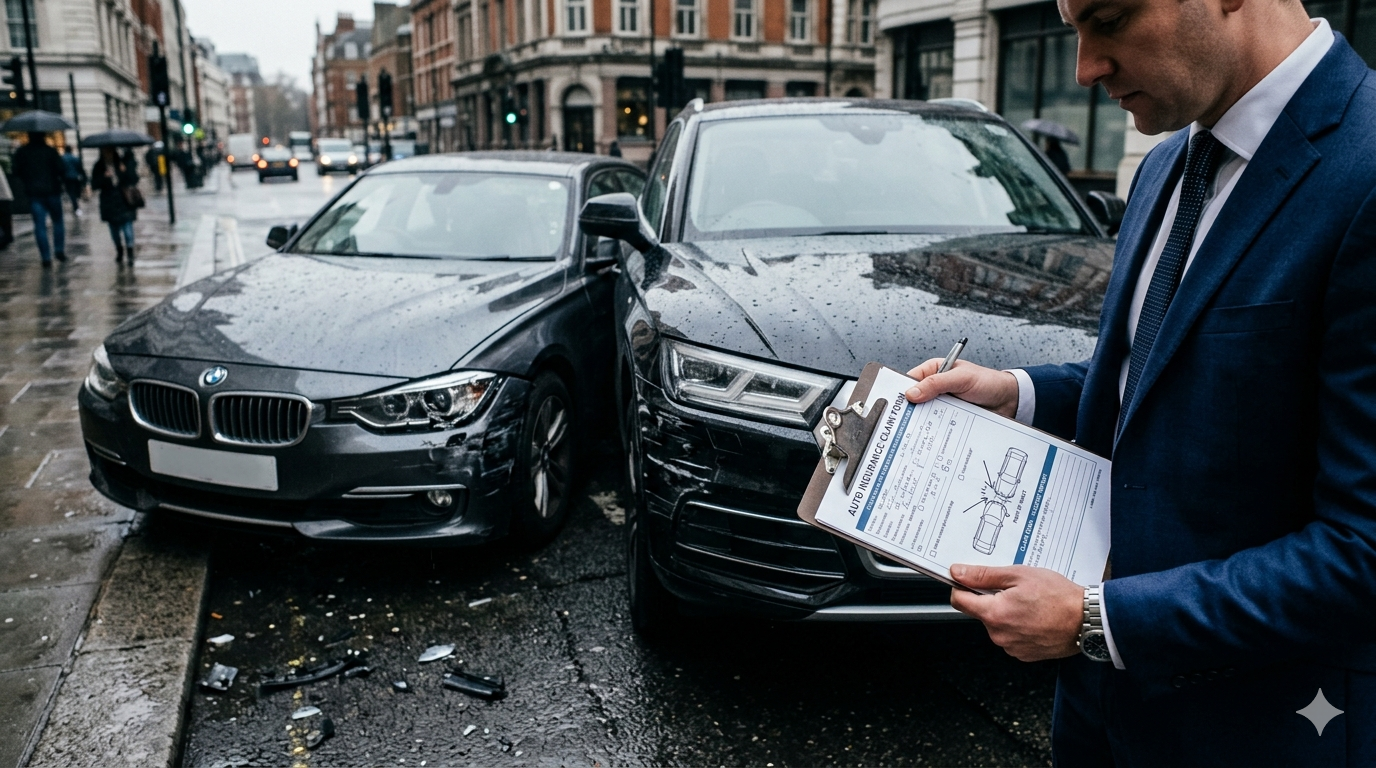
A traffic accident is a stressful event that brings with it not only a shock, but also an immediate financial burden. Regardless of whether it is a minor scratch in the parking lot or a more serious collision with extensive damage, immediately after the first shock is resolved, the main question arises: how to get fair and maximum compensation for damages?
In practice, the process called insurance claims often becomes a David and Goliath fight. Insurance companies are for-profit organizations with teams of lawyers and appraisers whose primary goal is to minimize claims.
In order to avoid pitfalls and collect every dinar that is due to you by law, you must know exactly what steps to take on the spot, as well as during the procedure itself.
1. Steps on the spot that shape the fate of your compensation
Mistakes made immediately after the collision are the most common reason why insurance later rejects or reduces the payment of damages.
Police report or European report? For minor material damage (where there are no injuries and the damage is less than the legal limit), the European traffic accident report can be filled out. However, if there is any disagreement about the fault, if you suspect that the damage is greater, or if there are injuries - be sure to call the police to investigate. The police report is the strongest piece of evidence in the proceedings.
Photograph all details: Before moving vehicles (if moving is necessary for safety), take detailed photographs of the accident scene from multiple angles, the position of the vehicle, damage to all cars, brake marks, and nearby traffic signs.
Get contact details of witnesses: If there are people who saw the accident, write down their names and phone numbers. Their testimony can be decisive if the insurance company tries to dispute the dynamics of the accident.
2. Reporting insurance damage – The "First offer" trap
After the documentation (such as the police report) is collected, a claim is submitted to the insurance company of the guilty party. That's when the insurance strategy known as "first bid settlement" comes into play.
The insurance company will often offer you an out-of-court settlement and payment of a certain amount to your account within a very short period of time. That offer is, as a rule, significantly lower than the actual value of the damage. By signing that contract, you usually waive your right to further claims on that basis.
Golden rule: Never accept the first insurance quote without consulting an expert and having a thorough review of the appraisal by an independent appraiser.
3. Non-material damage: More than just car repair
When insurance damage compensation is mentioned, most drivers only think of repairing the sheet metal and buying new parts (material damage). However, if you have suffered injuries, you have the right to collect non-material damages, which often exceed the value of material damages many times over.
You can claim compensation for:
Suffered physical pain (depending on intensity and duration)
Suffered fear (fear during the accident and subsequent fear/trauma)
Mental pain due to reduced life activity (if the injuries left permanent consequences on your daily functioning)
Disfigurement (scars, visible consequences of injuries)
In order to successfully collect non-material damage, complete medical documentation is crucial - from the first examination in the emergency room or emergency center, through the specialist doctor's report, to the end of the treatment.
4. How to arrive at a realistic assessment of material damage?
Insurance companies often use valuation systems that count depreciation (aging) of parts to reduce payouts, or insist on the installation of non-genuine parts.
To get the most out of it, you have two options:
Repair at an authorized service center by invoice: The service repairs the vehicle using original parts, and the invoice is directly or subsequently invoiced to the insurance company.
Independent Appraisal: If you go for the cash-in-hand option (called a "cash appraisal"), hiring an independent traffic or mechanical expert will help determine the real, market value of the repairs and parts, which serves as a strong argument for an insurance claim.
Why is a lawyer your most important ally in the proceedings?
Carrying out the procedure for compensation of damages requires a good knowledge of the Law on Compulsory Traffic Insurance, the Law on Obligations and court practice. Insurance companies use any legal loophole or carelessness of the injured party to reduce their liability.
A lawyer who specializes in this area knows exactly what the realistic amounts of compensation for certain types of injuries are, how to file a well-founded objection to the damage assessment and how to obtain the maximum amount - either through negotiations with insurance, or through court proceedings if an out-of-court agreement is not possible.
Have you had a car accident and want fair compensation? Don't let insurance adjusters dictate the value of your stress and financial loss. Law firm Miković - Bosilj from Pančevo guides you through the complete process of collecting damages. We analyze the documentation, file objections to shamefully low insurance offers and fight for the maximum amount that is legally due to you.
Contact us today and leave the insurance fight to the professionals.